


Cricket as a sport has given many renowned bowlers who with their immaculate line and length, speed, swing, spin, and consistency, have turned matches single-handedly. Operating outside of the power play, from fast bowlers nailing batters with raw speed and shattering bonds to spinners crunching the game through manipulation and intra-innings cricket ingenuity – these players have pumped out insane records over generations.
Statistically, Muttiah Muralitharan is the kind of world No. 1 bowler you could make a case for in the history of cricket. According to the International Cricket Council (ICC), he hung up his pads with 800 Test wickets and 534 ODI wickets, a record for a bowler in both formats.
Nonetheless, who the greatest ever is remains to be seen, as it can also vary in relation to format & playing conditions, and how long a career you have. The conundrum of choosing the 10 greatest bowlers, their peak records, and the art of bowling that influenced world cricket.
Who Is the World No. 1 Bowler in Cricket History?
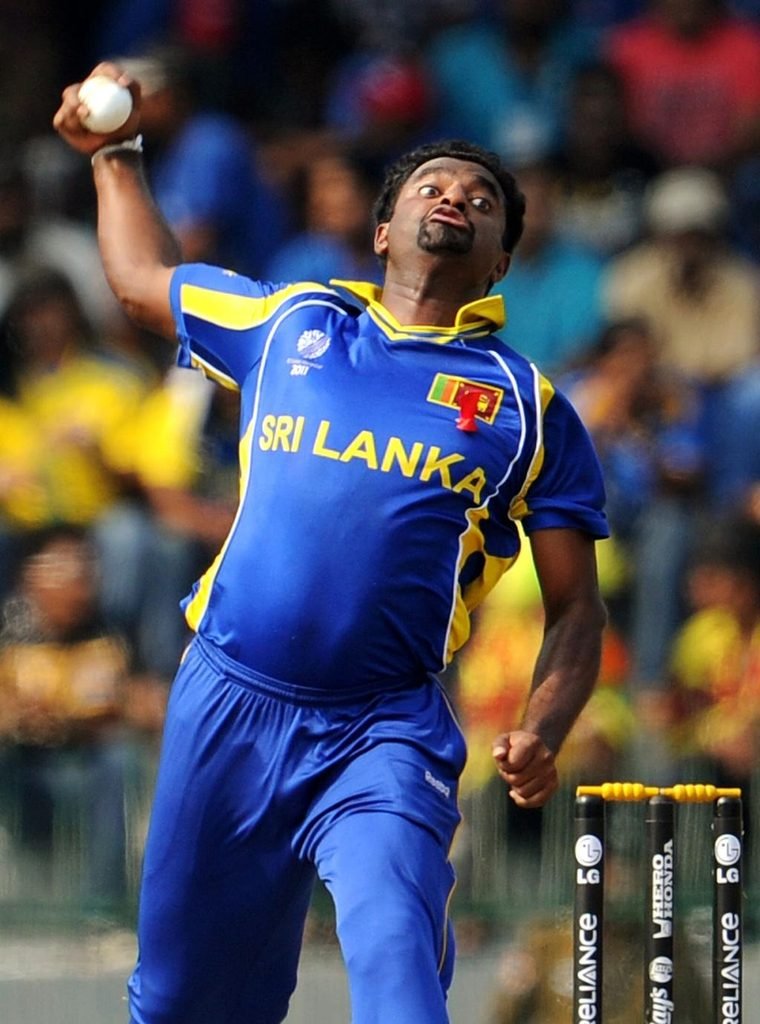
Muttiah Muralitharan – Record-holder in Test wickets
With his unrivaled career Test wicket total, remarkable spin bowling ability, and long career as an international player, Muttiah Muralitharan is a natural selection as the best male bowler in the history of cricket. In 133 Test matches, he took 800 wickets, and in ODIs, 534. He was inducted into the ICC Cricket Hall of Fame for his accomplishments in his career.
Official ICC rankings don’t exist to tell us who was the best bowler of all time in history and across every format. However, when you look at Muralitharan’s international records, you see that he is one of the top contenders for the title.
Top 10 Bowlers in Cricket History
The following list is a subjective selection based on records, skills, consistency, match-winning performances, and historical significance. This is, however, not an official ICC all-format ranking.
| Rank | Bowler | Country | Bowling style | Major achievement |
| 1 | Muttiah Muralitharan | Sri Lanka | Off-spin | 800 Test wickets |
| 2 | Shane Warne | Australia | Leg-spin | 708 Test wickets |
| 3 | James Anderson | England | Fast-medium | 704 Test wickets |
| 4 | Anil Kumble | India | Leg-spin | 619 Test wickets |
| 5 | Glenn McGrath | Australia | Fast | 563 Test wickets |
| 6 | Wasim Akram | Pakistan | Left-arm fast | 502 ODI wickets |
| 7 | Richard Hadlee | New Zealand | Fast-medium | First to 400 Test wickets |
| 8 | Waqar Younis | Pakistan | Fast | 416 ODI wickets |
| 9 | Courtney Walsh | West Indies | Fast | 519 Test wickets |
| 10 | Ravichandran Ashwin | India | Off-spin | 537 Test wickets |
Sources: ICC player profiles and career bowling records. Figures refer to completed careers for retired players; rankings are editorial.
1. Muttiah Muralitharan – Sri Lanka
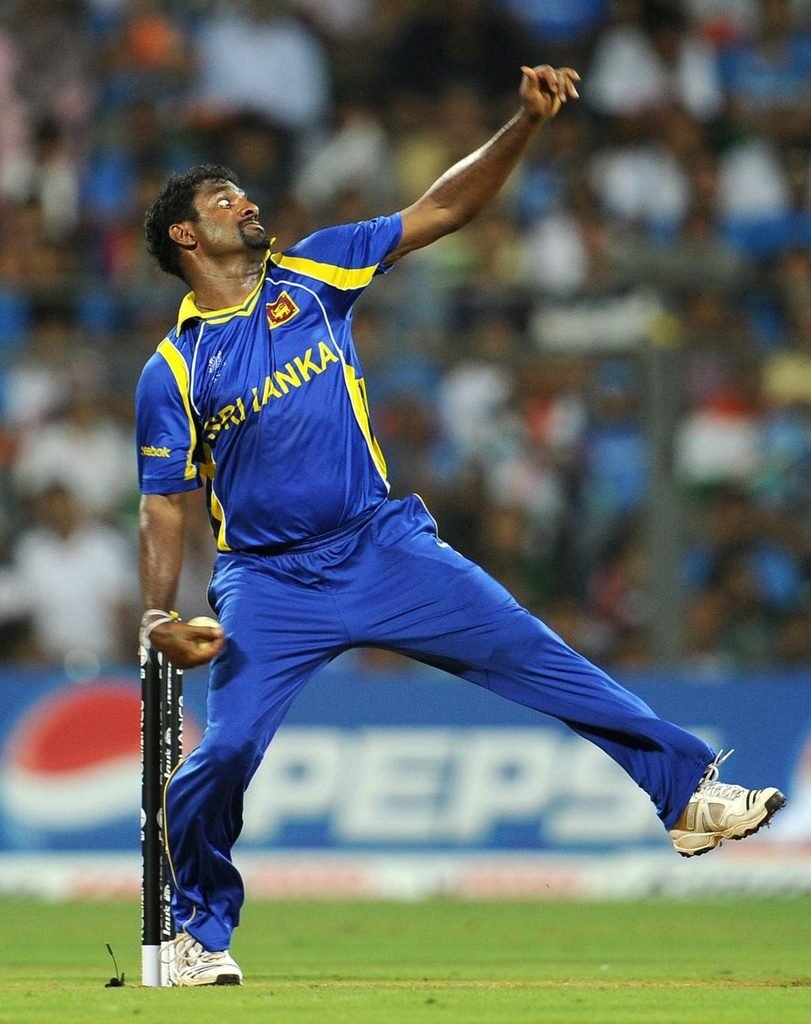
One of the greatest bowlers that cricket has ever seen is Muttiah Muralitharan. His natural gift of off-spin, variations, and control at will to get wickets on any kind of pitch made him a key element in the international success attained by Sri Lanka.
The 800 Test and 534 ODI take-wickets to his name stand out as the central achievements of his career. He played a part in the Sri Lankan cricket team’s victory in the 1996 Cricket World Cup.
Muralitharan’s career statistics
| Format | Matches | Wickets |
| Test | 133 | 800 |
| ODI | 350 | 534 |
| T20I | 12 | 13 |
| Total | 495 | 1,347 |
2. Shane Warne – Australia
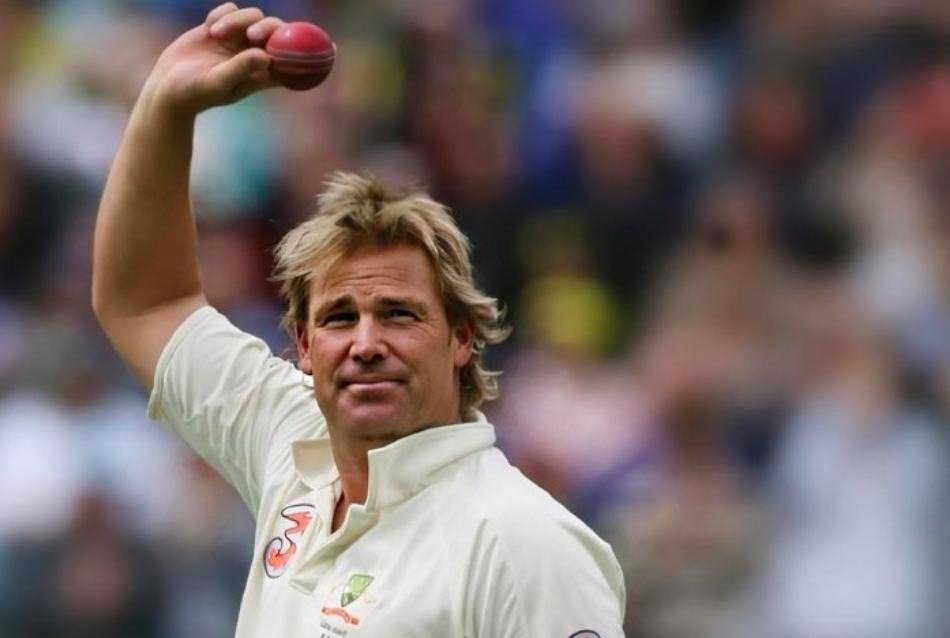
Leg-spin bowling was turned into one of cricket’s most potent weapons under the captaincy of Shane Warne. His crafty fast crossovers, deceptive delivery from different angles, and tactics made him a match-winner even against the joint-best batting line-ups.
Warne took 708 wickets in Tests and was a cornerstone of Australia’s reign through the 1990s and into the early part of the 2000s.
| Career statistic | Record |
| Test matches | 145 |
| Test wickets | 708 |
| Test bowling average | 25.41 |
| ODI wickets | 293 |
| International wickets | 1,001 |
3. James Anderson – England
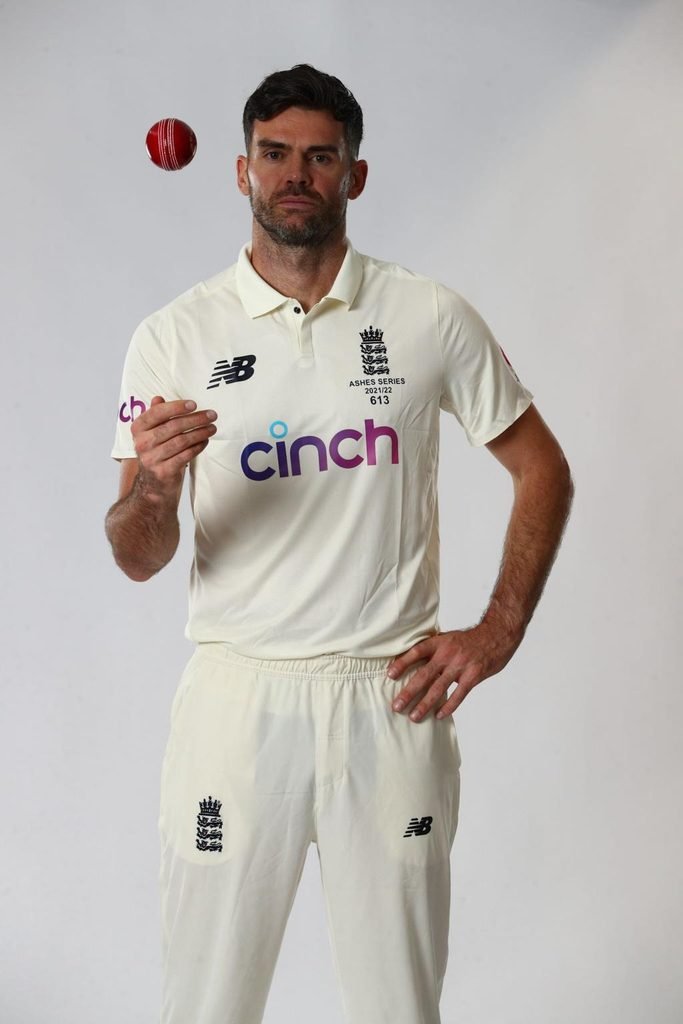
From time immemorial, the middle-order opener of Test cricket, James Anderson is a fast bowler record-holder at the Test-class bowler level. With control of swing, seam movement, and line and length, he continued to be effective and adaptable in varying conditions well beyond two decades.
Shane Warne on his retirement from international cricket in 2024, having established a superb record, especially in English conditions where he would be able to maximize his control due to the movement both in the air and off His bowling with such conditions.
| Career statistic | Record |
| Test matches | 188 |
| Test wickets | 704 |
| ODI wickets | 269 |
| T20I wickets | 18 |
| International wickets | 991 |
4. Anil Kumble – India
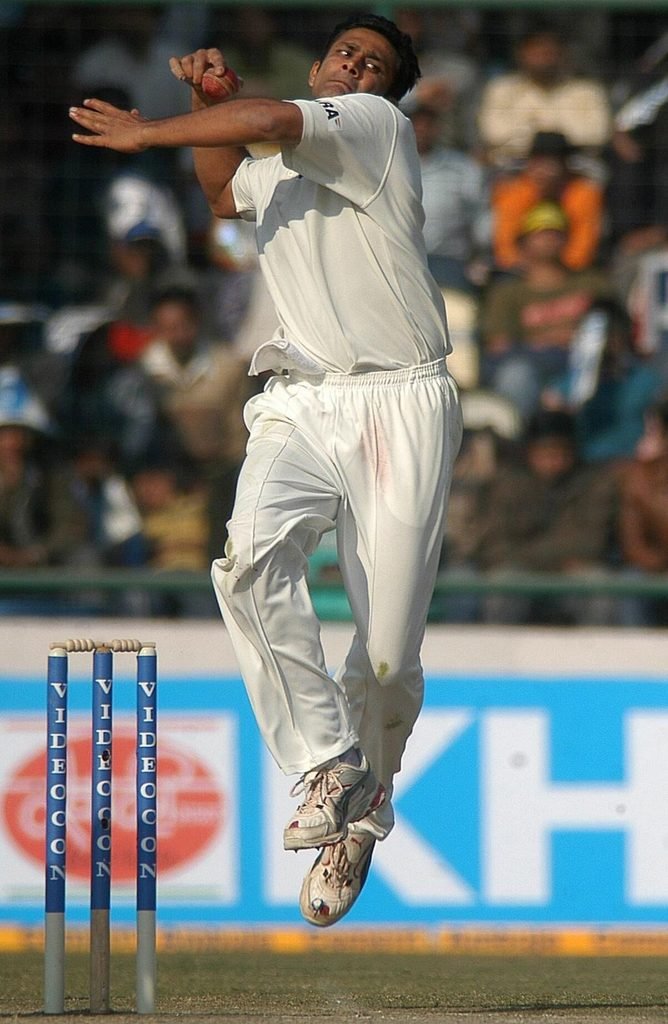
India’s highest wicket-taker in both Test and ODI cricket, Anil Kumble was a match-winning bowler. He did not need a grand style of turning the ball but troubled batters with precision, bounce, pace changes, and asking unrelenting questions.
Streak is often remembered for capturing all 10 wickets in an innings of a Test match, when he took 10/32 against Pakistan at Delhi in 1999, becoming only the second bowler to achieve this feat after Jim Laker.
| Career statistic | Record |
| Test matches | 132 |
| Test wickets | 619 |
| ODI wickets | 337 |
| International wickets | 956 |
5. Glenn McGrath – Australia
Glenn McGrath was a master of line and length and raised accuracy to an art. He went on to find even the most minuscule flaws in a batter’s technique. Instead of relying on raw pace, he applied pressure with a line and discipline.
He was a key member of Australia’s consecutive men’s ODI World Cup-winning sides of 1999, 2003 and 2007.
| Career statistic | Record |
| Test matches | 124 |
| Test wickets | 563 |
| Test bowling average | 21.64 |
| ODI matches | 250 |
| ODI wickets | 381 |
| International wickets | 949 |
6. Wasim Akram – Pakistan
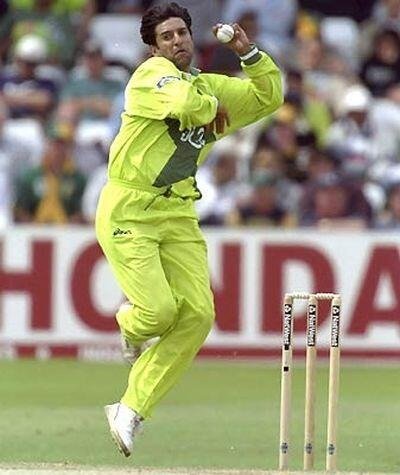
Arguably the best left-arm fast bowler to have graced the game, Wasim Akram was born on 3rd June 1966. In ODIs, reverse-swing and deadly yorkers added another dimension to his capacity to hit the ball with both in flight.
Abdul Qadir was also a key figure in Pakistan’s 1992 World Cup-winning side. The ICC labelled him as a wizard of swing and seam bowling.
| Career statistic | Record |
| Test matches | 104 |
| Test wickets | 414 |
| ODI matches | 356 |
| ODI wickets | 502 |
| International wickets | 916 |
7. Richard Hadlee – New Zealand
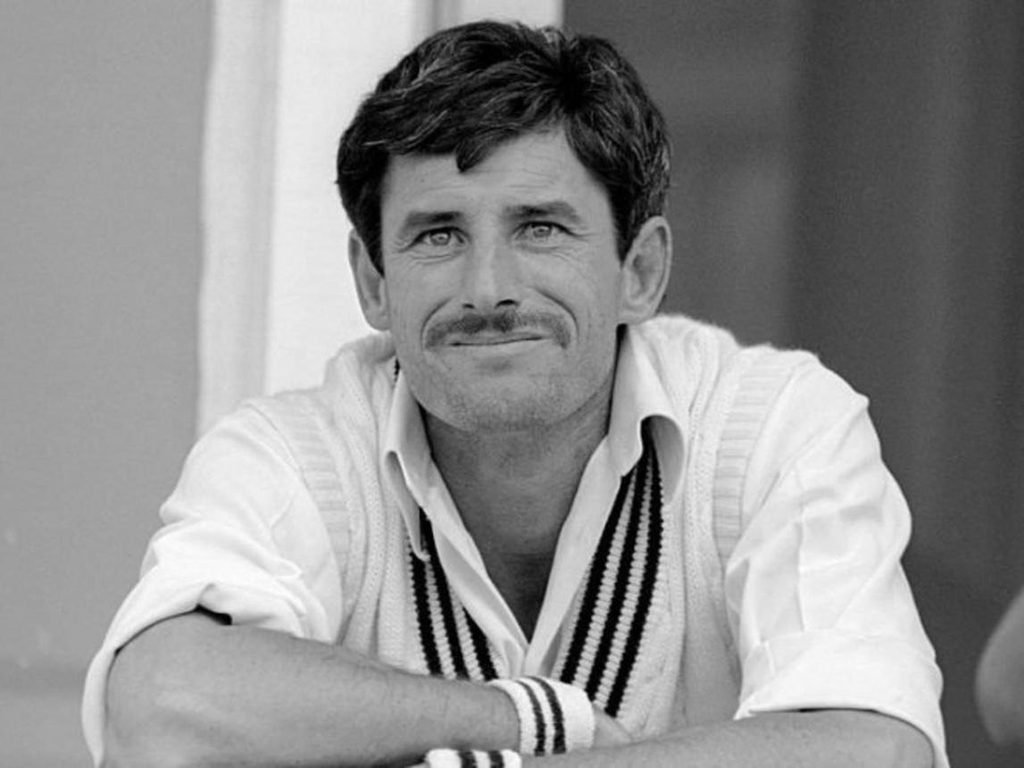
Richard Hadlee was one of New Zealand’s most influential cricketers. His accurate fast-medium bowling, ability to move the ball, and exceptional consistency helped New Zealand compete against stronger opposition.
He became the first bowler to take 400 Test wickets, establishing a landmark in international cricket.
| Career statistic | Record |
| Test matches | 86 |
| Test wickets | 431 |
| Test bowling average | 22.29 |
| ODI wickets | 158 |
| International wickets | 589 |
8. Waqar Younis – Pakistan
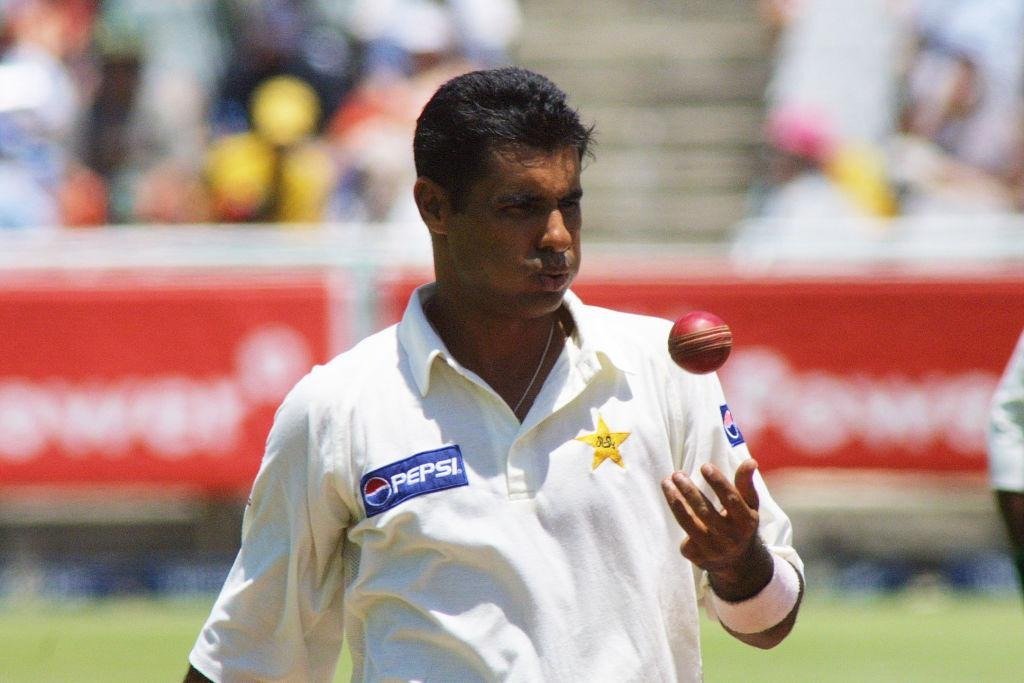
Known for his reverse swing bowling and toe-crushing yorkers, Waqar Younis was a master craftsman. He formed one of the most feared fast-bowling partnerships in Pakistan’s history, alongside Wasim Akram.
His aggressive nature helped him rip through batting line-ups, and he was particularly dangerous in ODI cricket as his wicket-taking ability in clusters made him a threat.
| Career statistic | Record |
| Test matches | 87 |
| Test wickets | 373 |
| ODI matches | 262 |
| ODI wickets | 416 |
| International wickets | 789 |
9. Courtney Walsh – West Indies
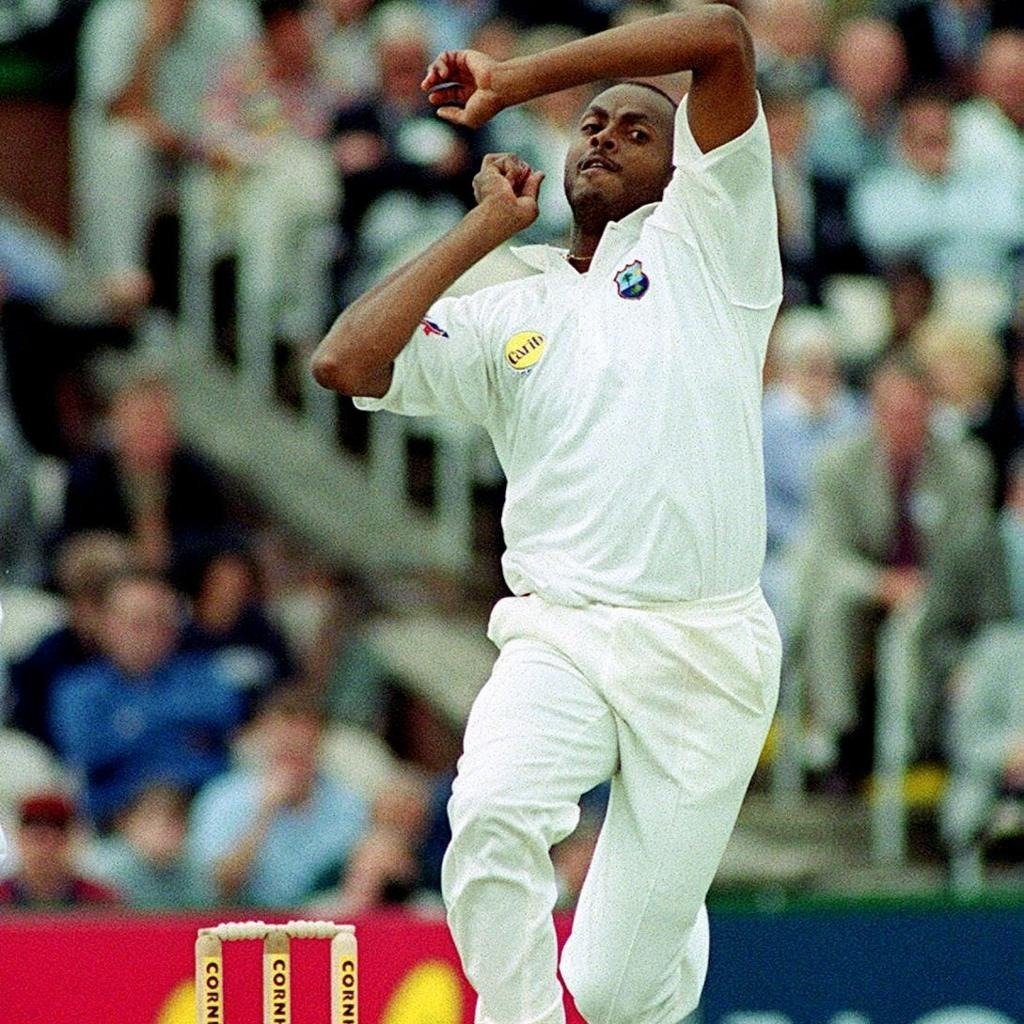
In the late 1980s and through the 1990s, Courtney Walsh was a main cog in the West Indies fast bowling machine. Height, bounce, stamina and a disciplined line meant he caused regular trouble for batters at different pitches.
He also created a lethal partnership with Curtly Ambrose to ensure that West Indies, like the Harris-Hughes combination with Australia in this generation or Waghorne-Innis combo of the 1980s, still boasted an enviable pair of Express-in-Striped-Shirts fast bowlers as its standard-bearers.
| Career statistic | Record |
| Test matches | 132 |
| Test wickets | 519 |
| ODI wickets | 227 |
| International wickets | 746 |
10. Ravichandran Ashwin – India
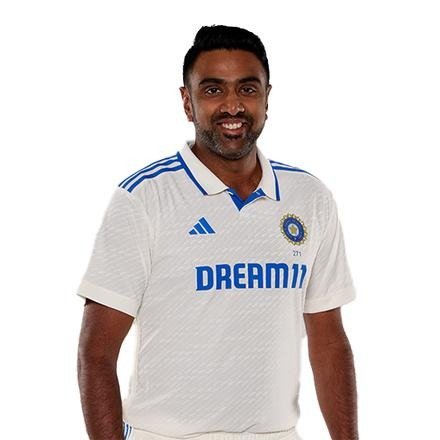
Ravichandran Ashwin is one of India’s most successful modern spin bowlers. His variations, tactically astute and able to play the conditions and batter for whom he was bowling, made him adept at Test cricket.
Ashwin also chipped in at the end with crucial runs down the order and added to his value as a genuine all-rounder. He has had memorable moments internationally, both at home and overseas.
| Career statistic | Record |
| Test matches | 106 |
| Test wickets | 537 |
| Test bowling average | 24.00 |
| ODI wickets | 156 |
| T20I wickets | 72 |
| International wickets | 765 |
What Makes a Bowler the Greatest in Cricket History?
There are many aspects that make a good bowler stand out from an all-time great. However, the wicket totals only tell part of the story.
- Total Wickets: Total number of batters dismissed in a career
- Bowling Average: This is the average number of runs a bowler has given up against how many wickets he has taken.
- Strike rate: Average number of deliveries per wicket.
- Consistency: Ability to show up time after time in seasons and conditions.
- Match-winning Influence: This takes into account performances that change outcomes or are pivotal to matches.
- Longevity: Gives credit to players whose performance angles the ladder over a long career.
- Ability to adapt: Emphasizes success against varied opponents, pitches, and formats.
But a spinner can rule Test cricket bowling with control and variation, while an express bowler can do it with pace sit swing and seam movement. Changes in equipment, pitches, rules, and batting approaches during generations must also be accounted for when comparing players through time.
Frequently Asked Questions
Who is the world No. 1 bowler in cricket history?
Muttiah Muralitharan is one of the strongest candidates based on career statistics. His 800 Test wickets and 534 ODI wickets are records in men’s international cricket for those formats.
Who has taken the most wickets in cricket history?
Muttiah Muralitharan holds the record for the most wickets in men’s international cricket, with 1,347 across Tests, ODIs, and T20Is.
Who is the greatest fast bowler of all time?
There is no universally accepted answer. Wasim Akram, Glenn McGrath, Richard Hadlee, James Anderson, and other legends have compelling records and different strengths.
Who is India’s most successful Test bowler?
Anil Kumble retired with 619 Test wickets, while Ravichandran Ashwin finished his international career with 537 Test wickets. Both rank among India’s leading Test bowlers.
Who has the most ODI wickets?
Muttiah Muralitharan leads men’s ODI cricket with 534 wickets, followed by Wasim Akram with 502.
Conclusion
Discussing the world’s No. 1 bowler in cricket history comes down to how we measure greatness: records, consistency, match-winning ability, or impact on the game? Irrespective of his style, among others, Muttiah Murali took it further with his colossal wicket numbers in Test and ODI cricket.
Some of the greatest international cricketers such as Shane Warne, James Anderson, Anil Kumble, Glenn McGrath, Wasim Akram and Richard Hadlee made phenomenal contributions to our beloved game. One specialized in swing, another in seam, and the other controlled the yorker – which is why we cannot assess cricket’s greatest bowlers by a single metric.
As a result, Muralitharan doesn’t just have a very strong statistical case for the title; he has probably one of the strongest cases to make across formats and generations.